


Discover how minimalist home decor can transform your living space with functional style and calming ambiance. This guide uncovers essential tips, common pitfalls, and little-known facts about styling your interiors the minimalist way, blending Scandinavian simplicity and sustainable choices for modern comfort.

Why Minimalist Home Decor Appeals to Modern Lifestyles
The rise of minimalist home decor ideas can be credited to a growing need for clarity, space, and tranquility in contemporary homes. Many people find themselves overwhelmed by clutter and distractions, yearning for an environment that provides mental reprieve. Minimalism focuses on curating your home with intention, choosing pieces that serve a purpose or spark joy rather than simply filling space. This approach naturally lends itself to a peaceful aesthetic, supporting well-being and productivity.
Minimalism also attracts those who value efficiency and clean lines. With life becoming busier, practical design is more important than ever. Minimalist home decor embraces less-is-more, often rooted in Scandinavian interior design, Japanese wabi-sabi, and mid-century modern influences. The style utilizes neutral hues, functional furnishings, and strategically placed accent pieces to deliver both comfort and utility without visual overload. It’s a way to make homes feel open and airy, regardless of floor space.
Besides visual appeal, minimalist interiors contribute to sustainable living as well. By purchasing fewer, higher-quality items and cutting back on nonessential accessories, homeowners reduce waste and promote mindful consumption. Supporters of eco-friendly living often see minimalism as a direct path toward greener interiors. Together, these ideas create a calm environment that’s deeply personal yet easy for guests to appreciate, blending individual taste with universal comfort.
Key Elements of Minimalist Interior Design
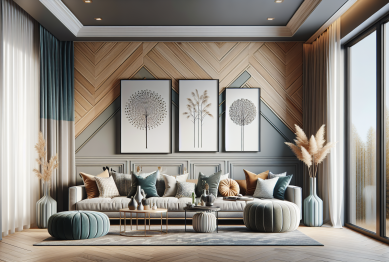
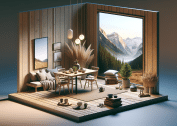
At the heart of minimalist home decor are key principles that keep spaces unfussy yet inviting. Neutral palettes dominate—think white, grey, beige, or muted earth tones. These foundational colors complement natural light, which is maximized through simple window treatments or open blinds. Clean surfaces and geometric shapes define furniture and layouts, allowing rooms to breathe and movement to flow with ease. Simplicity never feels stark when approached thoughtfully.
Quality materials matter in minimalist interior design. Many favor wood, natural fibers, and stone for furniture and accent pieces. These materials not only add tactile appeal but reinforce durability and environmental responsibility. Storage solutions, such as built-in units or hidden compartments, help keep surfaces tidy without sacrificing accessibility. This ensures that every element serves a dual function—practicality and style—while keeping clutter at bay.
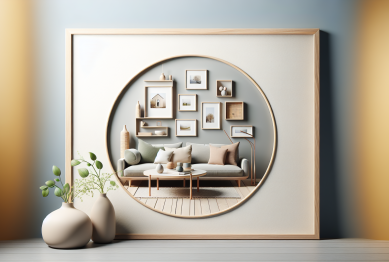
Another hallmark of minimalist spaces is intentional decor. Rather than filling shelves with knick-knacks, minimalist design might spotlight one striking art piece or a meaningful sculpture. Indoor plants are commonly used to add organic life and subtle color, while also purifying air. Personalization happens in thoughtful doses, making the result feel curated yet livable rather than impersonal. Each choice in the room supports a harmonious, cohesive overall look.
Practical Tips for Achieving a Minimal Look
Transitioning to a minimalist style doesn’t require a full overhaul. Start with a home decor audit, identifying items that are truly useful or cherished. Removing what’s unnecessary is often the hardest step, but also the most liberating. Group remaining pieces by function or sentiment, and keep surfaces as clear as possible. Regularly revisit your rooms to see if anything could be edited further, embracing the minimalist philosophy as an ongoing process.
Smart storage is instrumental to maintaining a clean minimalist look. Opt for furniture with in-built drawers or shelves, and consider double-duty pieces like ottomans with hidden compartments. Use decorative baskets or matching bins that blend with your color palette for extra organization in living rooms or bedrooms. Avoid over-accessorizing—let the structure of the room and a few distinctive pieces take center stage for a cohesive effect.
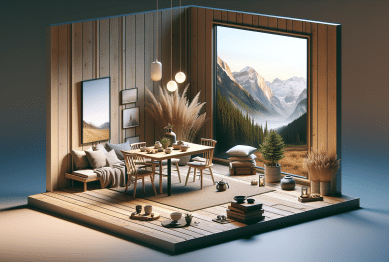
Lighting is another powerful tool. Emphasize natural light where possible, and supplement with sleek, modern lamps or pendant lights that merge seamlessly into the design. Keep window dressings sheer or minimal to allow daylight to circulate. Well-placed lighting will accentuate architectural features and highlight select decor, reinforcing the sense of space and calm that makes minimalist interiors so calming and restorative.
Common Minimalist Decor Mistakes to Avoid
Minimalist home decor is mistaken for stark emptiness by some. However, going overboard with decluttering can result in a space lacking warmth or personality. To avoid this, focus on balance—use textures, organic elements, and occasional color pops to soften the environment. Throw pillows, textured rugs, or a statement armchair can prevent a room from feeling devoid of character. Minimalism is the art of restraint, not deprivation.
Another common pitfall is inconsistent design across rooms. Minimalism should maintain harmony throughout a home. Disjointed transitions—such as moving from a sleek, pared-down living area into a cluttered kitchen—disrupt the minimalist flow. Carry the same design language (palette, materials, decor) from one room to the next for a seamless experience. Subtle variations are fine, but cohesion is key to lasting visual calm.
Lastly, some overlook practical comforts while chasing a minimalist look. Don’t sacrifice utility for style. Select furniture with comfort in mind and ensure each room supports daily activities. Minimalism is about improved living, not just aesthetics. When applied thoughtfully, this style enhances relaxation and creativity, making your home welcoming for both you and your guests every day.
Blending Minimalism With Other Style Trends
Minimalism offers flexible building blocks for blending with other trending styles. It pairs easily with Scandinavian design, which emphasizes light wood, hygge-inspired textiles, and functional accessories. The combined effect is warmth and simplicity. Minimalism also meshes well with contemporary or Japanese aesthetics, both of which prioritize negative space, craftsmanship, and organic materials for an effortlessly chic interior vibe.
Colorful minimalism is gaining popularity too. Here, a restrained backdrop is adorned with unexpectedly bold statement pieces, like a cobalt blue chair or vibrant abstract art. This approach allows the personality of homeowners to shine without reverting to clutter. Texture is vital—layering linen fabrics, ribbed ceramics, or wool rugs creates visual interest without crowding the senses. Curating select heirlooms or handmade items can also add depth to an otherwise pared-down room.
Sustainable minimalist design is another significant trend. Eco-conscious individuals often combine minimalism with upcycled furniture, non-toxic paint, and energy-efficient lighting. This amplifies the environmental benefits while crafting stylish, ethical interiors. Carefully chosen vintage pieces, reused glassware, or organic cotton accessories help infuse warmth and character into minimalist spaces, catering to both style and conscience. It’s a timeless blend that adapts to personal values and home needs.
Long-Term Benefits and Psychological Upsides of Minimalist Decor
Many have found that minimalist home decor offers mental health benefits. Reduced clutter can lessen stress and boost mood, easing anxiety and increasing the sense of control over one’s environment. Research suggests orderly surroundings encourage relaxation, concentration, and even creativity, helping residents feel more recharged. The minimalist approach also limits decision fatigue, making it easier to organize daily routines and find what is needed quickly.
There’s also a financial benefit. When you invest in key essentials and let go of unnecessary purchases, you may save significantly over time. This can shift spending habits towards quality and durability, reducing the cycle of frequent replacements. Fewer purchases also mean less environmental impact, aligning with sustainable living goals. Minimalism thus supports both financial well-being and ecological responsibility.
Ultimately, minimalist decor encourages mindful consumption and deeper appreciation for what matters. Instead of constantly chasing trends, homeowners can focus on meaningful objects or experiences. A thoughtful, uncluttered home fosters positive relationships and becomes a haven. Whether you’re a design enthusiast or simply searching for more peace at home, minimalist decor can offer a sustainable path to comfort, health, and style.
References
1. National Institutes of Health. (2020). Minimalism and mental health: The environmental connection. Retrieved from https://www.ncbi.nlm.nih.gov/pmc/articles/PMC7508802/
2. American Society of Interior Designers. (2019). Sustainable interior design practices. Retrieved from https://www.asid.org/resources/tools-and-resources/sustainability
3. Harvard University Graduate School of Design. (2018). The impact of indoor environments on health. Retrieved from https://www.gsd.harvard.edu/project/health-and-wellness-in-the-built-environment/
4. The Spruce. (2021). Minimalist living room design tips. Retrieved from https://www.thespruce.com/minimalist-living-room-ideas-4171506
5. Elle Decor. (2021). How to decorate in the minimalist style. Retrieved from https://www.elledecor.com/design-decorate/trends/a14462/minimalist-design-decor/
6. Psychology Today. (2022). The benefits of decluttering and organizing. Retrieved from https://www.psychologytoday.com/us/blog/the-clarity/202006/the-benefits-decluttering-and-organizing




 What Makes Indoor Plants Transform Your Space