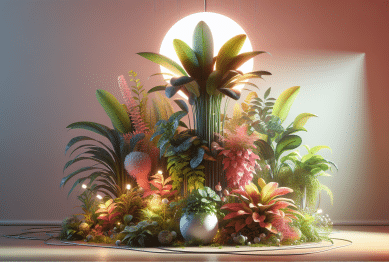



Indoor gardening weaves beauty into your living space and brings the joy of nature to your home. This guide explores the key factors that help indoor plants flourish, revealing practical steps and surprising tips for greenery seekers. Learn how plant care routines and environment shape the success of your indoor oasis.

Understanding What Indoor Plants Need
Indoor plants add calm and life to a home, but getting them to thrive often feels like a mystery. What makes the difference? It starts with understanding the environmental basics. Light, water, air, and soil all work together to support healthy houseplants. Each type of indoor plant prefers its own unique light level, from bright indirect sunlight for a snake plant to a few hours of afternoon sun for a succulent. Without the right lighting, leaves might turn yellow or drop, so choosing locations around the home—whether next to a sunny window or in a low-light corner—demands careful thought.
Watering may seem easy, yet overwatering is one of the top reasons for plant stress indoors. Many common houseplants enjoy their soil drying out a bit between waterings. Touching the soil or using a moisture meter helps determine when to hydrate your green companions. The type of water can also affect plant health; some are sensitive to chemicals in tap water, so letting water sit before use can help dissipate chlorine. Air circulation is just as vital, helping prevent mold and pest issues, while temperature should remain steady, away from drafts and heaters.
Quality soil provides the foundation for thriving indoor plants. Most houseplants require well-draining, airy potting mixes to allow roots room to breathe. Sometimes, amending store-bought mixes with perlite or bark chips increases drainage for species prone to root rot. Repotting as plants grow, but not too frequently, keeps them comfortable and prevents stress. Helpful tip: matching soil types to plant species can mean the difference between limp leaves and vibrant foliage.
Lighting Solutions Every Plant Lover Should Know
Natural light is a crucial ingredient for any indoor garden’s success. Understanding the directional light your home receives can help place each plant in an ideal spot. East-facing windows offer gentle morning rays, which many tropical varieties adore. South-facing windows, on the other hand, provide high-intensity light—a favorite for succulents and cacti. If your space is shadowed or the window coverage is low, artificial lights step in as a lifesaver. LED grow lights, available in various spectrums, can mimic daylight, ensuring plants get enough energy even in winter months.
It’s easy to overlook how unequal light exposure is in a single room. Rotating pots every few weeks ensures even leaf growth and stems that don’t lean or stretch in search of brightness. Some enthusiasts use sheer curtains to diffuse harsh sunlight, protecting foliage from sunburn while bathing the room in a gentle glow. Combining natural and artificial lighting often creates the healthiest conditions, allowing a broader plant selection all year round without sacrificing beauty or growth.
Light isn’t just about intensity—it’s also about duration. Most indoor plants flourish on around 12 to 16 hours of light per day. Using timers with grow lights helps establish a consistent rhythm that parallels natural day-night cycles. Monitoring leaf color serves as a handy indicator—deep green often signals adequate light, while pale or leggy growth can hint at the need for repositioning. Adapting to seasonal light changes helps keep your in-home jungle happy and lush.
Smart Watering Habits for Houseplant Health
Watering can be more science than art. The frequency depends on plant type, pot size, temperature, and season. For instance, ferns thrive with always-moist soil, whereas succulents desire thorough drying between drinks. Picking a regular weekly schedule and adjusting as the weather shifts helps maintain a reliable routine. Feel the soil—if it’s dry two inches down, a drink is due. Choose pots with drainage holes to avoid excess moisture at the roots, which encourages rot and fungus.
Humidity matters too. Many tropical houseplants benefit from added humidity, especially during winter when home heating systems dry the air. A simple pebble tray with water or frequent misting can simulate these conditions. Moving houseplants into bathrooms or kitchens—where steam is common—also boosts ambient moisture. Some indoor gardeners use humidifiers, setting them to around 50–60 percent for the best growth, especially when caring for ferns or Calatheas.
To further safeguard plant health, always water at soil level rather than wetting leaves directly, reducing the risk of fungal problems. Morning watering gives soil and leaves time to dry out, avoiding nighttime dampness that attracts pests. Being consistent yet observant makes it easier to spot subtle signals—wilting, drooping, or leaf spots—that your plant’s routine needs tweaking. Adjust with the seasons, as plants typically need less water in winter.
Soil, Nutrition, and Repotting Advice for Vigorous Growth
Not all indoor soil is created equal. Potting mixes for cacti and succulents drain fast; those for tropical foliage retain moisture. Adding perlite, vermiculite, or orchid bark to standard mixes can customize the environment for unique plant needs. Fertilizing, while optional, can boost vibrancy and new growth. Liquid fertilizers—applied every four to six weeks during active growth—supply key nutrients but should be used sparingly to avoid salt buildup, which can harm roots.
Repotting isn’t only about growth—sometimes it’s about rescuing root-bound, struggling plants. Signs of distress include roots circling the pot, slow growth, or soil that dries out rapidly. Select a pot that is one to two inches wider in diameter for best results. Loosen roots gently, remove old soil, and nestle the plant in a refreshed mix. Water lightly and avoid direct sunlight for a few days post-repotting to reduce transplant shock.
Observe your plants closely after any soil or pot change. Modified environments may alter watering needs, so check moisture more frequently at first. Tracking nutrient schedules—whether using organic compost or synthetic blends—keeps you on top of plant health. Note: even with great soil, root maintenance is vital. Inspect roots annually for signs of disease or pests for ongoing indoor plant vitality.
Recognizing and Managing Houseplant Pests
Even well-cared for indoor plants can attract pests. Tiny bugs such as fungus gnats, spider mites, and scale insects can quickly multiply on leaves, stems, and soil surfaces. Early signs include sticky residue, fine webbing, or yellowed leaves. Routine inspections with a magnifying glass reveal most problems before they spread. If pests appear, isolate affected plants to protect the rest of your collection.
Organic approaches, like wiping leaves with a damp cloth or spraying with insecticidal soap, offer gentle solutions. Neem oil is another effective remedy that targets soft-bodied insects without harming pets or people. Be patient: complete eradication may need regular applications and follow-up care. Sometimes, desert-dwelling species and succulents experience fewer pest problems due to their thick, waxy leaves, but regular monitoring still matters.
Preventing infestations is easier than curing them. Keep leaves clean to limit dust and pathogens, and avoid overcrowding, which encourages humidity-loving bugs. Quarantine new plants for a week or two before mingling them with your existing collection. Check underneath pots and inside saucers, as pests may hide in damp, dark places. Prevention builds the backbone of resilient, long-lived indoor gardens.
Designing a Lush Indoor Garden That Fits Your Space
Creating a vibrant, balanced indoor garden is both an art and a science. Start by assessing how much space and sunlight you have, and choose plants that naturally thrive in those conditions. Small succulents, trailing pothos, or upright snake plants adapt well to minimal spots, while large trees like fiddle-leaf figs suit open corners. Using shelves, plant stands, or hanging baskets maximizes growing room and lets you play with height and texture.
Grouping plants by watering and light needs makes maintenance easier. Place compatible species together for a mini-ecosystem effect. Using complementary containers—ceramic, woven baskets, or repurposed jars—adds personality and creates visual unity. Some people build living walls or vertical racks in small apartments, turning greenery into functional décor. Keep paths and access clear, so dusting, pruning, and watering remain simple tasks.
As your indoor jungle matures, experiment with new types to challenge your skills and keep things fresh. Try adding a rare flowering plant or air plant for diversity. Many enjoy displaying foliage plants alongside herbs or edible varieties, bringing fragrance and usefulness to the home environment. With the right balance of care and creativity, anyone can build an ever-changing oasis indoors—one that brightens every day.
References
1. The Old Farmer’s Almanac. (n.d.). Growing Houseplants. Retrieved from https://www.almanac.com/gardening/growing-houseplants
2. Missouri Botanical Garden. (n.d.). Houseplant Care Guide. Retrieved from https://www.missouribotanicalgarden.org/gardens-gardening/your-garden/help-for-the-home-gardener/advice-tips-resources/houseplants.aspx
3. University of Georgia Extension. (2022). Care of Indoor Plants. Retrieved from https://extension.uga.edu/publications/detail.html?number=B1318
4. Royal Horticultural Society. (n.d.). Growing Indoor Plants. Retrieved from https://www.rhs.org.uk/houseplants
5. Penn State Extension. (2021). How to Care For Houseplants. Retrieved from https://extension.psu.edu/houseplants
6. University of Minnesota Extension. (n.d.). Indoor Plants: Tips for Success. Retrieved from https://extension.umn.edu/houseplants/indoor-plants-tips-success



 Secrets That Make Indoor Plants Thrive