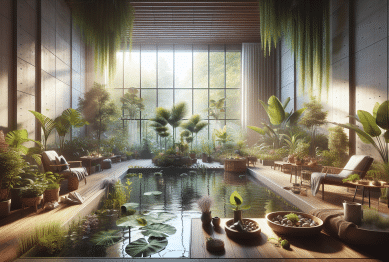



Curious about how to keep indoor plants vibrant and healthy? This guide uncovers essential strategies for thriving houseplants, from light management to watering secrets and natural pest control. Explore practical tips that help both beginners and enthusiasts nurture lush, beautiful greenery in any home environment.

Understanding Light Needs for Healthy Indoor Plants
Light is the backbone of plant care indoors. Every indoor plant comes with unique light needs, which can influence growth, flowering, and overall health. Some plants, like snake plants and pothos, thrive even in low-light corners, while others, such as succulents and fiddle leaf figs, crave bright indirect sunlight. Placing the right plant in the right place ensures it receives sufficient energy for photosynthesis, leading to lush leaves and robust stems. You might notice leaves turning pale or stems stretching towards the window—these are classic signs a plant needs more light. Understanding these signals can make a big difference for anyone looking to improve their indoor plant care routine.
Position matters just as much as the quantity of sunlight. For example, north-facing windows typically provide indirect light, which suits shade-tolerant greenery. On the other hand, a bright, south-facing window bathes plants in direct sun, perfect for cacti or other sun lovers. Filtering harsh rays with sheer curtains can reduce the risk of scorched leaves and keep temperature fluctuations manageable. Seasonal changes matter too—plants often need repositioning as daylight hours shift throughout the year, offering opportunities to observe and learn what environments your plants prefer.
Light isn’t everything, but understanding it is a cornerstone. Consider supplementing with grow lights if natural light is scarce, especially in apartments or rooms with smaller windows. LED grow lamps mimic the sun’s spectrum and encourage robust plant development without overheating. Many indoor gardeners find that combining strategic plant placement with artificial lighting unlocks the best of both worlds, nourishing plants during shorter winter days and supporting continuous growth. Watch for new leaves and vibrant color as positive signs your approach is working.
Mastering Watering Techniques for Lush Plants
Watering may seem simple, but it’s one of the most misunderstood parts of indoor gardening. Overwatering is the leading cause of houseplant decline, while underwatering can leave plants limp and stressed. The type of plant, pot size, soil composition, and humidity all interact to determine when and how much to water. A classic technique to avoid soggy soil is the finger test—insert your finger an inch deep, and if it feels dry, it’s time to water. Allowing the soil to partially dry out between watering sessions is key for most species, particularly those adapted to arid environments.
Different types of plants require specific watering routines. Tropical varieties, such as peace lilies or calatheas, enjoy consistently moist—but not saturated—soil. Succulents and cacti have adapted to store water in their leaves, so infrequent, deep watering is ideal for them. Using pots with drainage holes helps excess moisture escape, preventing root rot and fungus gnat infestations. Monitoring for wilting, yellowing, or stunted growth provides clues about whether a plant’s watering routine should be adjusted—even window placement and seasonal heating can affect water needs.
Filtered or distilled water is beneficial for sensitive plant species, particularly in areas with hard tap water. Mineral buildup from regular tap water may appear as white crusts on soil and pots. Flushing the potting mix every few months by watering thoroughly can help remove these residues. It’s rewarding to learn the subtle cues plants give when thirsty or content—glossy leaves, upright stems, and new growth signal a watering routine is on track. Experimentation and attention bring confidence to any indoor gardener’s skills.
Boosting Plant Health with the Right Potting Mix
Healthy roots mean happy indoor plants. Choosing the right potting mix is vital, as soil provides anchorage, nutrients, and water management. General-purpose potting soil suits many houseplants, but specialty blends give extra benefits—cactus mix is sandy for fast drainage, orchid bark is chunky for air flow, and African violet soil is designed for moisture retention. Reading plant labels or researching a species’ origins helps match the soil to its natural habitat, minimizing stress and disease risk. This approach mimics what plants would enjoy in the wild and promotes robust health.
Many indoor gardeners enhance potting mixes with additives like perlite for aeration or coconut coir for water retention. Repotting a plant every year or two replenishes nutrients and prevents roots from becoming overcrowded. Loosening root balls and removing old soil before replanting helps stimulate fresh growth. Signs a plant needs new soil include slow growth, roots circling inside the pot, or soil that dries out rapidly after watering. Mixing up a custom blend tailored to your collection is both creative and rewarding.
Nutrient needs vary throughout the year, with most indoor plants thriving during spring and summer. Adding balanced houseplant fertilizer as directed boosts leaf development and flowering. However, over-fertilizing can burn roots and leaves—a gentle approach works best. Many organic blends contain slow-release ingredients, offering steady nourishment over time. A healthy potting mix doesn’t just provide food; it creates a supportive environment for beneficial microbes and healthy roots. When plants grow strong underground, vibrant foliage soon follows.
Controlling Pests and Disease Naturally Indoors
Even the most attentive indoor gardener may encounter pests. Tiny invaders like spider mites, aphids, mealybugs, and fungus gnats can hitch a ride on new plants or drift in through open windows. Early detection is key—inspect leaves regularly, especially their undersides, for sticky residue, webs, or discolored spots. Isolating any new additions for a couple of weeks helps prevent spreading issues to your established indoor garden. Clean pots, fresh soil, and good airflow also act as basic defenses against most pests.
Natural remedies are often surprisingly effective against common indoor plant pests. Wiping leaves gently with a damp cloth removes dust, pests, and eggs. Neem oil and insecticidal soap are popular non-toxic solutions that can be applied directly to leaves, helping control outbreaks while minimizing harm to pets and humans. Biological controls, such as introducing beneficial insects like ladybugs, offer another creative approach (although less common indoors). Consistent monitoring and a gentle touch go a long way in keeping indoor gardens pest-free and healthy.
Fungal and bacterial diseases are less common indoors but can spread rapidly if humidity is high or air circulation is poor. Signs of trouble include brown spots, fuzzy growth, or sudden leaf drop. Prompt removal of affected leaves prevents further spread and improves a plant’s recovery chances. Avoid overhead watering and ensure pots are not sitting in excess water—these habits preserve root and leaf health. Knowledge and prevention, paired with safe, natural treatments, foster resilient indoor plants all year long.
Maximizing Growth with Simple, Sustainable Practices
Thriving indoor plants require more than basic care—they benefit from a little innovation and observation. Rotating plant pots every few weeks encourages balanced growth and keeps stems from bending toward the window. Pruning faded blooms or yellowing leaves helps plants channel energy into healthy new shoots. Reusing pots and recycling old soil are eco-friendly practices that reduce waste and can spark creative gardening solutions. Together, these small strategies encourage a lush, low-maintenance home jungle.
Humidity matters, especially for species that hail from rainforests. Raising humidity with pebble trays, grouping plants together, or using a humidifier benefits ferns, calatheas, and orchids. Some indoor gardeners even regularly mist their plants, though this should be done carefully to avoid fungal issues. Monitoring temperature near windows, radiators, or air conditioning ensures indoor plants aren’t shocked by sudden changes. Observing how plants respond lets anyone fine-tune their environment, with the reward of consistent, healthy growth.
Embracing sustainability in indoor plant care goes beyond watering and soil choices. Composting kitchen scraps for homemade fertilizer gives plants a gentle nutrient boost and cuts down on landfill waste. Choosing native or air-purifying plants can improve air quality while reducing reliance on chemical treatments. Every step, from conscious potting choices to mindful maintenance, builds a more harmonious and resilient indoor plant community—perfect for green thumbs and newcomers alike.
Exploring the Benefits of Indoor Gardening for Wellbeing
Indoor gardening is about more than just decoration—it connects people with nature and offers proven mental health benefits. Studies show caring for houseplants can lower stress, improve mood, and even boost productivity in workspace settings. Observing tiny changes, like a new leaf unfurling, brings a deep sense of accomplishment. For many, tending an indoor garden provides a peaceful, grounding ritual that enhances daily life in subtle but transformative ways.
Plants contribute to a healthier indoor environment in several ways. Common species like spider plants, peace lilies, and pothos help filter airborne toxins, improving indoor air quality. Increased humidity from plant transpiration benefits skin and comfort levels, especially during dry winter months when heating systems are in use. Introducing greenery into living or work spaces also creates a soothing visual break, which can encourage creative thinking and focus.
Accessible to beginners and experts alike, indoor gardening becomes a lifelong hobby with lasting rewards. Children and adults alike enjoy watching plants grow and change, learning valuable lessons about responsibility and patience. For anyone in apartments or places with limited outdoor space, an indoor plant collection offers a meaningful connection to the natural world. Simple care routines and thoughtful observation unlock both beauty and calm, making indoor plants a timeless addition to any home.
References
1. NASA. (n.d.). Interior Landscape Plants for Indoor Air Pollution Abatement. Retrieved from https://www.nasa.gov/ames/partnerships/arc-university-affairs/greenspace
2. University of Illinois Extension. (n.d.). Care of Houseplants. Retrieved from https://web.extension.illinois.edu/houseplants/
3. Royal Horticultural Society. (n.d.). General houseplant care. Retrieved from https://www.rhs.org.uk/plants/houseplants/general-care
4. American Society for Horticultural Science. (2020). Houseplants and Wellbeing. Retrieved from https://journals.ashs.org/hortsci/view/journals/hortsci/55/12/article-p1902.xml
5. Missouri Botanical Garden. (n.d.). Tips for Growing Houseplants. Retrieved from https://www.missouribotanicalgarden.org/gardens-gardening/your-garden/help-for-the-home-gardener/advice-tips-resources/houseplants
6. Environmental Protection Agency. (2023). Indoor Air Quality and Plants. Retrieved from https://www.epa.gov/indoor-air-quality-iaq/




 Secrets to Thriving Indoor Plants You Can Master