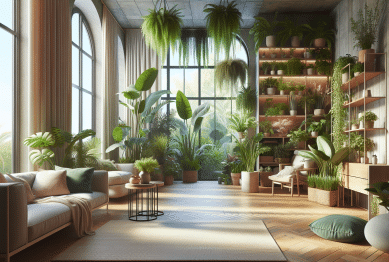



Discover how selecting the right indoor plants can elevate home style, improve air quality, and support your well-being. This guide explores low-maintenance options, care tips, and health benefits—helping every homeowner discover solutions for brighter, healthier living spaces.

Why Indoor Plants Matter in Modern Homes
Bringing indoor plants into your living space has become more than a decorative trend—it’s now recognized as a practical way to enhance both atmosphere and health. Houseplants like snake plants and pothos offer a vibrant accent in any room. Beyond the visual appeal, certain species help purify indoor air, contributing to a fresher home environment (Source: https://www.epa.gov/indoor-air-quality-iaq/indoor-air-quality-home). Incorporating greenery can also elevate your mood on cloudy days, bringing a taste of nature inside.
Homeowners are increasingly looking to harness the benefits of biophilic design principles by strategically placing indoor plants throughout bedrooms, kitchens, and workspaces. These choices bridge the gap between modern aesthetics and functional wellness. Carefully chosen houseplants can thrive with minimal light and are often suited for busy lifestyles. The simplicity of adding a peace lily near a window, or a philodendron in a corner, can have a profound impact on the general feel of your living spaces.
Indoor gardening is not just about beauty; research suggests it can support mental well-being as well. Interaction with plants may help reduce feelings of anxiety and promote relaxation. Many people find daily plant care routines grounding and therapeutic. Besides, with the rise in remote work, a small pot on the desk may boost productivity and create a more inviting workspace. All these reasons explain the growing demand for indoor plants as home essentials.
Popular Varieties That Thrive Indoors
Certain plant varieties are particularly popular for their resilience and low maintenance requirements. The spider plant, ZZ plant, and pothos top many indoor gardener lists due to their forgiving nature. They’re known to tolerate infrequent watering and fluctuating light levels, making them a smart choice for beginners. What makes these plants appealing is their adaptability—they thrive on windowsills, in hanging baskets, or even under artificial light (Source: https://extension.psu.edu/the-best-indoor-houseplants-for-your-home).
For homeowners seeking a touch of color, options like the anthurium or African violet offer vibrant blooms with the same easy-care reputation. Succulents, too, provide endless variety in form and color while fitting seamlessly on tabletops. Their water-storing abilities mean less maintenance, and their sculptural shapes are suited for modern interiors. Additionally, snake plants, with their tall, upright leaves, are known to filter toxins from the air, quietly supporting a healthier living environment.
Adventurous indoor gardeners may opt for rarer choices, such as the monstera or bird’s nest fern, both known for striking foliage. These selections add dramatic character to living rooms and offices. Researching the light and humidity needs of each species makes a huge difference in helping them flourish. By mixing various types—leafy, blooming, upright, or trailing—you can build dynamic, layered displays that evolve with your home’s changing style and needs.
Choosing Plants for Air Quality and Wellness
The relationship between indoor air quality and healthy living is well-documented. Many common houseplants naturally remove toxins such as benzene, formaldehyde, and trichloroethylene from the air (Source: https://www.nasa.gov/sites/default/files/atoms/files/nasa_clean_air_study.pdf). For example, snake plants and Boston ferns consistently rank among the best for air purification. Integrating these into your home creates an invisible shield against common indoor pollutants, especially in urban spaces where outside air may be compromised.
Plant wellness benefits extend beyond air cleaning. Studies indicate that greenery in living spaces can reduce background noise and provide subtle humidification, which is particularly valuable in areas with dry, heated air. Adding English ivy, aloe vera, or bamboo palm to shared spaces can enhance comfort. Many homeowners report fewer headaches and improved focus after introducing just a few robust specimens. Over time, these subtle improvements result in noticeable differences to overall well-being and productivity.
When planning for air improvement, diversity matters. A mix of broad-leaved, trailing, and upright plants creates visual appeal and increases the number of pollutants filtered—without much extra care. Place plants strategically: near electronics, in kitchens, and by sleeping areas. Rotating pots seasonally ensures even light distribution and continued growth. Whether you’re concerned about toxins or just want fresher air, exploring these options can quietly support your comfort and wellness every day.
Low-Maintenance Options for Busy Lifestyles
Not everyone has hours for plant care, but that shouldn’t stop anyone from enjoying lush interiors. Selecting low-maintenance houseplants can be the key. Varieties such as ZZ plant, sansevieria (also called snake plant), and jade plant require little water and rarely need repotting. These indoor species tolerate missed waterings and can thrive under low or artificial light (Source: https://hgic.clemson.edu/factsheet/low-maintenance-houseplants/).
Succulents and cacti deserve special mention for their drought-tolerance and minimal care needs. Their thick leaves store water, making them perfect for forgetful owners. Even for people who travel frequently or have erratic schedules, these resilient plants can be a hassle-free addition to window ledges or countertops. Pairing them with self-watering planters further reduces upkeep, supporting consistent growth with even less attention.
Low-maintenance doesn’t mean boring. Creative groupings can add depth—try combining snake plants with colorful kalanchoe, or place several succulents together for contrast. Potting in decorative containers or using hanging baskets elevates these common species, transforming them into statement pieces. For homeowners wanting greenery without obligation, these options provide beauty, health benefits, and peace of mind—all with just occasional care.
Designing with Indoor Plants: Placement and Display Ideas
Strategic plant placement can instantly change the way a room feels. Consider light sources, foot traffic, and the overall flow of the space. Place taller plants, such as rubber figs or fiddle-leaf figs, near large windows or entrances where they can command attention. For areas with less light, opt for pothos or cast iron plants, renowned for their shade tolerance (Source: https://www.rhs.org.uk/plants/popular/houseplants).
Use shelving and creative containers to build vertical interest. Hanging planters free up floor space and allow trailing vines to cascade in living rooms or kitchens. Consider groupings of small pots on coffee tables, worktops, or bathroom shelves for playful, accessible greenery. Plants like herbs or spider plants in the kitchen can double as useful and decorative.
Seasonal rearrangement helps keep your displays fresh. Swapping plant positions lets them access optimum sunlight and encourages even growth. Pair different textures: the leathery leaves of a zamio with fine ferns, or intersperse flowering varieties for color. Explore eco-friendly plant stands or recycled containers for unique displays. Regardless of space, a thoughtful mix of indoor plants supports an ever-evolving, dynamic home environment.
Tips for Long-Term Success With Indoor Plants
To ensure that indoor plants continue to thrive, remember the basics: right plant, right place. Study the light preferences and watering schedules for each species. Use potting soil suitable for your chosen plants and avoid overcrowding. Investing a few minutes each week in pruning or dusting leaves encourages vibrant, healthy growth (Source: https://extension.umn.edu/houseplants/houseplants-indoor-gardening).
Pest management is another key to longevity. Regularly check for signs of discoloration, sticky leaves, or webs. Remove affected areas promptly and, if needed, use eco-friendly soaps or neem oil solutions for treatment. During seasonal shifts, adjust watering and placement to accommodate changes in humidity and light. Consistency brings rewards—plants often bounce back from minor setbacks with a little attentive care.
Personalizing your plant care routine increases satisfaction. Some people find joy in tracking plant progress, while others enjoy propagating cuttings to share. Homes evolve, and so do plant collections—refreshing pots or swapping varieties keeps indoor gardens lively and engaging. Ultimately, investing in indoor plants isn’t just about appearance—it’s about creating a personalized, comforting haven within your home.
References
1. United States Environmental Protection Agency. (n.d.). Indoor Air Quality in Homes. Retrieved from https://www.epa.gov/indoor-air-quality-iaq/indoor-air-quality-home
2. Penn State Extension. (n.d.). The Best Indoor Houseplants for Your Home. Retrieved from https://extension.psu.edu/the-best-indoor-houseplants-for-your-home
3. NASA. (n.d.). NASA Clean Air Study. Retrieved from https://www.nasa.gov/sites/default/files/atoms/files/nasa_clean_air_study.pdf
4. Clemson Cooperative Extension. (n.d.). Low Maintenance Houseplants. Retrieved from https://hgic.clemson.edu/factsheet/low-maintenance-houseplants/
5. Royal Horticultural Society. (n.d.). Popular Houseplants. Retrieved from https://www.rhs.org.uk/plants/popular/houseplants
6. University of Minnesota Extension. (n.d.). Houseplants: Indoor Gardening. Retrieved from https://extension.umn.edu/houseplants/houseplants-indoor-gardening



 Quantum Computing Myths That Might Surprise You