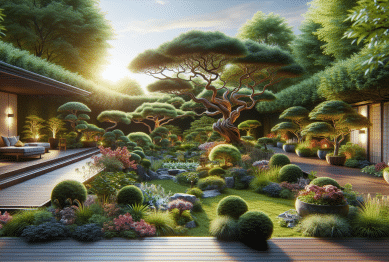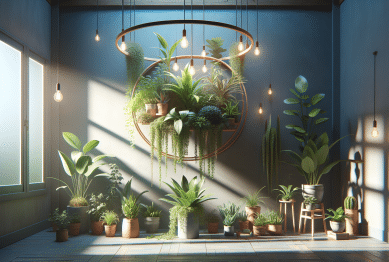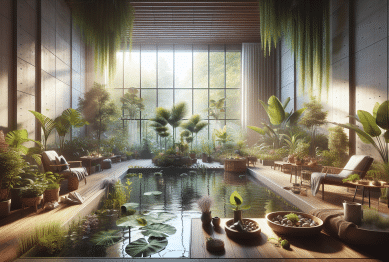




Curious about transforming your yard? Explore creative smart landscaping ideas designed to conserve water, enhance curb appeal, and add value to your home. Learn how native plants, efficient irrigation, and functional garden design can reshape your outdoor world with practical, sustainable solutions.

Making the Most of Native Plants for Your Landscape
Native plants are a standout choice for smart landscaping because they are naturally adapted to local climates and soil. This means they require less water, fertilizer, and maintenance compared to non-native species. Homeowners who select native trees, shrubs, and groundcovers for their garden design often see healthier growth and fewer pest problems. Incorporating these plants is not only eco-friendly but can bring vivid color and texture to a yard, forming the foundation for a resilient, beautiful outdoor space.
Choosing regionally appropriate native plants supports local biodiversity, attracting beneficial insects, birds, and pollinators. Gardens full of regional species require limited intervention since they thrive in existing environmental conditions. This creates a smart landscaping solution that works with nature, not against it. When planning, consider including layers—trees, understory shrubs, and native wildflowers—to create interest and year-round habitat value.
Less reliance on pesticides and fungicides translates to a safer environment for people and pets. Native species also tend to be more drought resistant, helping conserve water while keeping landscapes vibrant during dry spells. The flexibility and variety within native plant choices make it possible to realize innovative landscaping designs that balance sustainability and beauty. Discovering which local plants thrive in your region can be the beginning of a low-maintenance, high-impact transformation.
Adding Beauty and Function with Water-Smart Solutions
Water conservation is a top concern for modern homeowners. Smart landscaping leverages water-efficient design features like drip irrigation, rain gardens, and permeable paving. Drip irrigation delivers water directly to plant roots, minimizing evaporation and runoff. This targeted approach is suitable for flower beds, vegetable gardens, and even lawns, ensuring that plants receive just the right amount of moisture and reducing waste. Implementing this system not only lowers water bills but also supports healthier plant growth.
Rain gardens and swales intercept, filter, and retain stormwater, protecting landscapes from erosion and nutrient loss while replenishing the water table. By directing rainwater into low, planted depressions, these features create dynamic, attractive focal points and foster habitat for pollinators. Integrating permeable surfaces such as gravel, pavers, or porous concrete further prevents runoff and enables rain to nourish the soil. Smart landscaping incorporates these systems for both environmental benefit and architectural interest.
Planning with water-smart principles can also involve grouping plants with similar watering needs together—called hydrozoning. This approach simplifies irrigation management, enhances efficiency, and reduces the risk of over- or under-watering. By thoughtfully designing irrigation, drainage, and plant selection, homeowners create resilient yards that can withstand seasonal changes and water restrictions with ease.
Using Hardscaping to Shape Functional Outdoor Spaces
Hardscaping refers to the non-plant elements that define the structure and utility of a landscape design. Patios, walkways, decks, and retaining walls help create practical outdoor living spaces that invite relaxation and socializing. When integrated thoughtfully with soft plantings, hardscape features guide movement, establish focal points, and anchor the landscape’s visual appeal. Natural stone, wood, and recycled materials are popular choices for sustainable designs that blend with the home and environment.
Strategically-placed hardscape elements can address sloping terrain, manage drainage, and maximize small yard footprints. Raised beds, pathway borders, or outdoor seating areas can be tailored to the needs of families or entertaining guests, increasing the usability of the garden throughout the year. Adding lighting along walkways or under seating walls not only sharpens nighttime safety but also brings gardens to life after sunset, creating an enchanting atmosphere.
Permeable paving systems are a particularly smart hardscape option, as they allow water to filter through and recharge the soil rather than run off. These surfaces can be both decorative and supportive of sustainability efforts, contributing to smart landscaping solutions that balance style and responsible resource use. Well-planned hardscapes form the backbone of any high-performance garden design.
Integrating Edible Gardens for Productivity and Appeal
Adding edible gardens provides a practical, rewarding element to modern landscaping. Vegetable beds, fruit trees, and herb spirals can be beautifully designed into front or backyards, merging form and function. Smart landscaping incorporates compact container setups, raised beds, or integrated edible borders to ensure food production fits seamlessly with the rest of the outdoor aesthetic. This approach lets homeowners enjoy seasonal harvests, fresh herbs, and visually striking gardens all at once.
With a little planning, edible plants can complement ornamental species, provide habitat for beneficial insects, and support pollinators. Many fruiting shrubs and dwarf trees offer striking foliage, spring blossoms, and colorful harvests, blurring the line between decorative and productive spaces. Mixing vegetables like kale, chard, or nasturtiums into flower beds brings year-round interest and color while making great use of available ground.
Edible landscaping also supports sustainability by reducing food miles, encouraging organic gardening, and promoting composting of kitchen waste. As more homeowners embrace local food production, smart landscaping increasingly blends practical abundance with landscape artistry. Integrating edible elements can yield both beauty and a sense of accomplishment each growing season.
Choosing Lawn Alternatives for Lower Maintenance
Lawns are traditionally seen as central to home landscapes, but they often require heavy water and fertilizer use. Smart landscaping explores lawn alternatives such as clover, ornamental grasses, and groundcovers. These options require less mowing, watering, and chemicals. Groundcovers like creeping thyme or moss provide dense, low-energy carpets that stay attractive all season. Ornamental grasses offer dramatic movement and texture with minimal upkeep, thriving in a variety of conditions.
Clover lawns, which remain green with minimal irrigation, support pollinators while outcompeting many weeds. These alternatives are increasingly popular among homeowners seeking resilient, cost-effective solutions that sidestep the challenges of traditional turf. Blending several types of groundcover can create dynamic and visually appealing patterns in large or small spaces.
Shifting away from turf to more sustainable groundcovers helps reduce water consumption, cuts down on air pollution from maintenance equipment, and provides habitat for wildlife. Many communities reward eco-friendly landscaping through incentives or recognition programs. Making this change can lead to more abundant, diverse, and low-maintenance outdoor spaces that align with current sustainability goals.
Maximizing Small Spaces with Vertical Gardens
For compact yards or urban balconies, vertical gardening opens new possibilities. Vertical gardens use fences, trellises, and wall-mounted containers to move plantings upward, maximizing every square foot. This not only creates lush privacy screens and colorful backgrounds but also enables the growing of food, herbs, or flowers in otherwise unused airspace. Smart landscaping harnesses these techniques to turn even modest spaces into green retreats.
Hanging baskets, living walls, and trellised vines can soften hard structural lines, provide shade, and attract pollinators. Vertical gardens can be combined with automatic watering systems to reduce maintenance time while keeping displays healthy and vibrant. For renters or those with temporary outdoor setups, movable vertical planters offer flexible solutions that travel with you from place to place.
The addition of climbing or cascading plants like jasmine, clematis, or strawberries adds texture and seasonal interest. Carefully-selected species ensure year-round color and utility. The beauty of vertical gardens lies in their adaptability—transforming unremarkable patios, balconies, or fences into lively, verdant canvases full of possibility and charm.
References
1. National Wildlife Federation. (n.d.). Gardening for Wildlife with Native Plants. Retrieved from https://www.nwf.org/Garden-for-Wildlife/About/Native-Plants
2. Environmental Protection Agency. (n.d.). Water-Smart Landscapes. Retrieved from https://www.epa.gov/watersense/water-smart-landscaping
3. Cornell University Cooperative Extension. (n.d.). Hardscaping for Urban Gardens. Retrieved from http://ccesuffolk.org/gardening/hardscaping
4. Missouri Botanical Garden. (n.d.). Edible Landscaping. Retrieved from http://www.missouribotanicalgarden.org/gardens-gardening/your-garden/help-for-the-home-gardener/advice-tips-resources/gardening-by-type/edible-gardening.aspx
5. University of California Agriculture and Natural Resources. (n.d.). Lawn Alternatives. Retrieved from https://ucanr.edu/sites/scmg/Lawn_Alternatives/
6. Royal Horticultural Society. (n.d.). Vertical Gardening. Retrieved from https://www.rhs.org.uk/advice/profile?pid=868



 Unlocking Passive Income Streams You Haven’t Considered