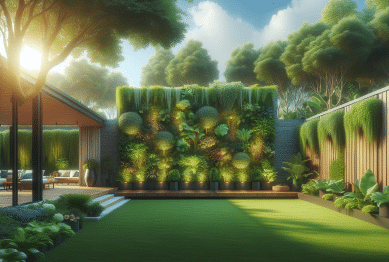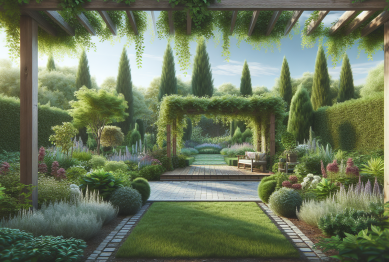


Transform any outdoor space with a low-maintenance garden that thrives year-round. Explore practical strategies for water-wise landscaping, soil enrichment, and plant selection to save time and resources while boosting curb appeal. Whether dealing with a tiny yard or a spacious plot, these approaches simplify gardening for anyone.

Discovering the Benefits of a Low-Maintenance Garden
Creating a low-maintenance garden doesn’t mean sacrificing beauty or diversity; in fact, it unlocks numerous advantages for garden enthusiasts seeking a practical approach. A well-designed, low-effort landscape can save countless hours usually spent weeding, watering, and pruning. That means more time enjoying the outdoors and less time managing tedious chores. Strategic planning, such as grouping compatible plants and opting for drought-tolerant shrubs, plays a pivotal role in forming a thriving yet simple garden. This method is particularly appealing to those with busy lifestyles or limited mobility, offering lush, attractive results with minimal labor required. Moreover, a sustainable planting scheme can provide a resilient green space that supports local wildlife and pollinators, further enhancing the ecological value of your surroundings.
Financial savings are also significant, as a low-maintenance garden typically requires less frequent replanting, fertilizing, or irrigation. Homeowners experience notable reductions in water bills by choosing drought-tolerant landscaping, especially in regions affected by frequent droughts or water restrictions. Quality mulch and proper soil preparation enrich the earth, reduce water evaporation, and suppress weeds. In addition, homeowners find that eco-friendly garden designs are becoming more popular, with both realtors and neighbors recognizing their value. A well-thought-out garden can even boost resale potential, as many buyers appreciate easy-care, attractive yards over labor-intensive lawns or hard-to-maintain flower beds.
Embracing a low-maintenance mindset encourages gardeners to look for sustainable ways to manage their outdoor environments. This might include prioritizing native plants, which naturally adapt to local conditions and require less intervention. Many discover that these gardens regularly attract butterflies, bees, and birds, turning even the smallest yard into a haven for wildlife. By focusing on groundcovers and perennial plants, individuals reduce time spent replanting and instead watch their garden flourish with less input each season. In the long run, such a garden design brings satisfaction, environmental benefits, and cost savings to households of all sizes.
Choosing Plants That Practically Care for Themselves
One foundational pillar of a truly low-maintenance garden is plant selection. When homeowners opt for species that thrive naturally in the local climate and soil, daily upkeep drops dramatically. Perennials and native plants, often overlooked in favor of exotic species, tend to require less water, fertilizer, and pest management. Selecting groundcovers—such as creeping thyme, sedum, or perennial geraniums—quickly fills space, limiting weed growth and providing a lush, green carpet all season long. Shrubs like boxwood, juniper, and cotoneaster can also bring structure without demanding regular attention. Choosing resilient, pest-resistant, or drought-tolerant varieties further lessens the risk of plant loss or ongoing treatment needs.
Integrating evergreen plants is another strategy for an effortlessly green appearance throughout the year. Many evergreens provide structure, color, and privacy, all while requiring only occasional pruning or refreshing mulch at the base. Succulents and ornamental grasses, known for their striking silhouettes, deliver vibrant color and visual interest with very little intervention. Deciding which plants work best together—grouped based on sunlight, water needs, or growth habit—helps form small microclimates, further maximizing garden health and reducing demands on time and resources. Watching these well-matched plant groups thrive proves both rewarding and efficient for any gardener committed to sustainability and ease.
Resilient plant choices play a crucial role for those seeking water conservation or gardening in regions affected by frequent climate extremes. Many discover that using xeriscape principles, such as grouping succulents with Mediterranean herbs or ornamental grasses, produces a striking garden while remaining resource-conserving (Source: https://www.epa.gov/watersense/landscaping-tips). By learning which plants truly “thrive on neglect,” anyone can achieve full borders, interesting textures, and colorful blooms year after year. Ultimately, the right plant palette forms the backbone of a lasting, low-effort garden that friends and family will admire.
Soil Health Secrets for a Robust and Carefree Landscape
Supercharging the soil is an essential step in building a successful and sustainable garden. Well-prepared soil creates an environment where plants establish deep roots, resist disease, and access nutrients efficiently. Amending soil with compost, leaf mold, or other organic matter dramatically improves water retention and drainage, which means less frequent watering and fewer soil-borne problems over time. Mulch—whether wood chips, leaves, or even gravel—provides an additional layer that locks in moisture and blocks troublesome weeds from sprouting. This combination of improved structure and natural weed control sets the stage for lush plant growth with dramatically reduced ongoing effort.
Routine soil checks reveal a surprising level of insight for gardeners. Testing for pH, nutrient balance, and organic content helps tailor amendments to specific needs, resulting in more resilient plants. A low-maintenance approach relies on proactively addressing deficiencies before they escalate. For example, garden areas with compacted soil benefit from aeration, breaking up the ground to increase root access to air and water. Top-dressing with compost in the fall naturally enhances fertility while also suppressing winter weeds. In many cases, organic mulches enrich the soil as they break down, creating a cycle of improvement that demands less hands-on work each year.
For gardeners seeking technical support, many local agricultural extension services offer free or low-cost soil testing, helping to identify what is truly needed (Source: https://hgic.clemson.edu/factsheet/soil-testing/). Good soil health supports stronger, healthier plants that outcompete weeds and withstand short dry spells or disease. Ongoing enrichment, combined with mulching, transforms the garden into a dynamic, self-sustaining system, greatly minimizing time spent on repairs or replacement while ensuring a vibrant landscape.
Water-Wise Garden Strategies That Save Effort
One of the greatest burdens for gardeners is irrigation. Implementing water-wise strategies provides immediate and long-term relief. Drip irrigation or soaker hoses, for example, deliver slow, steady moisture directly to plant roots—reducing evaporation, limiting disease, and saving water. Mulching garden beds helps maintain consistent moisture independently of rainfall, further easing maintenance and ensuring healthy plant growth. Selecting drought-tolerant plant species reduces the risk of loss during dry periods and significantly limits the frequency of watering. Capturing rainwater in barrels or installing gutter diverters is another resourceful way to provide supplemental irrigation without extra cost (Source: https://www.rainbarrel.ca/rain-barrel-benefits/).
Smart design choices, such as zoning plants together by their water needs, simplify consistent care. Grouping thirsty annuals or vegetables near a water source, while reserving distant corners for drought-tolerant perennials, reduces wasted water and time. These layouts promote plant health and reduce competition for resources. Consider replacing traditional lawn areas with groundcovers, ornamental gravel, or hardy shrubs to decrease mowing and watering demands. Lawns tend to require the most maintenance and the biggest water bills—so many homeowners discover that shrinking or replacing lawns with garden beds leads to less hassle.
Understanding microclimates within a property also plays a key role. Areas shaded by trees or buildings may need less irrigation, providing natural opportunities for lower-maintenance plantings. South- or west-facing slopes may dry out quicker but can support Mediterranean herbs, succulents, or other sun-loving, drought-adapted species. Indeed, water-wise gardening is not just about irrigation methods—it’s a holistic approach that factors in plant selection, soil amendment, and garden design for a more resilient and manageable outdoor space.
Controlling Weeds Without the Strain
Weed control is one of the most persistent frustrations for gardeners, but by adopting a few simple techniques, the chore becomes much more manageable. Mulching garden beds creates barriers that stifle emerging weeds while improving soil health. Using organic mulches adds nutrients as they decompose, benefiting plant growth and reducing the need for inputs. For persistent perennial weeds, a layer of landscape fabric beneath decorative stone or bark mulch can dramatically reduce regrowth (Source: https://extension.unh.edu/resource/mulches-home-grounds-fact-sheet). Covering bare soil promptly with groundcovers, densely-planted perennials, or annuals limits open opportunities for weeds.
Hand weeding is sometimes necessary, but it can be minimized by targeting weeds when they are young—before they have a chance to establish. Many gardeners discover that regular, brief inspections of the garden are far more effective than occasional massive efforts. Crowded beds and living mulches like thyme or clover squeeze out unwanted invaders, acting as natural competition for problem plants. For those preferring not to kneel, using long-handled tools reduces strain, while raised beds offer easier access and improved weed suppression.
Innovative gardening products can further reduce workload; pre-planted mats of flowers or herbs, for example, arrive ready to unfurl, quickly filling space and limiting weed seeds from taking hold. Combining these methods into a broader garden strategy means that weed control is approached deliberately, not reactively. With less time required for weeding, gardeners can devote energy to more enjoyable activities, using reclaimed time to plan, plant, or simply relax amid their automated oasis.
Design Techniques for Effortless Outdoor Spaces
The secret to an inviting low-maintenance garden often lies in smart layout and structure. Opting for curved beds instead of sharp angles, broad paths for access, and raised beds for easier reach, can transform outdoor spaces into manageable, beautiful havens. Hardscaping elements such as patios, gravel areas, or decorative boulders minimize the area that needs regular upkeep. Integrating garden features like trellises, benches, or birdbaths adds function and visual interest with no ongoing maintenance. Clever use of containers on patios or decks means fewer weeding concerns and allows plants to be moved as conditions change.
Avoiding over-complication in design is essential. Simplicity equals ease. Planting in drifts or repeating certain shapes or colors throughout the landscape makes for harmony and cohesion, while reducing the need for micromanagement. Many find that investing time upfront in paths, edging, or defined borders pays off for seasons to come. These boundaries help separate garden “zones,” keeping different types of plants organized and making it easier to spot trouble before it spreads. Evergreen shrubs, dense groundcovers, and non-living elements complement one another for all-season visual interest without constant intervention.
Lighting, irrigation systems, and well-placed seating invite relaxation and use after dark or during hot afternoons. With professional advice or personal experimentation, anyone can achieve a balanced, modern garden that fits their space, budget, and taste. Carefully considering how every element contributes to a sense of effortless enjoyment, rather than extra work, is the surest way to create a garden to love for years to come. Explore local demonstration gardens or extension resources for fresh low-maintenance ideas (Source: https://www.gardenia.net/guide/low-maintenance-gardens).
References
1. U.S. Environmental Protection Agency. (n.d.). Landscaping Tips. Retrieved from https://www.epa.gov/watersense/landscaping-tips
2. Clemson Cooperative Extension. (n.d.). Soil Testing for the Home Garden. Retrieved from https://hgic.clemson.edu/factsheet/soil-testing/
3. RainBarrel.ca. (n.d.). Rain Barrel Benefits. Retrieved from https://www.rainbarrel.ca/rain-barrel-benefits/
4. University of New Hampshire Extension. (n.d.). Mulches for Home Grounds. Retrieved from https://extension.unh.edu/resource/mulches-home-grounds-fact-sheet
5. Gardenia.net. (n.d.). Low Maintenance Gardens: How to Create One. Retrieved from https://www.gardenia.net/guide/low-maintenance-gardens
6. UC Master Gardeners. (n.d.). Gardening with Less Water. Retrieved from https://ucanr.edu/sites/scmg/Sustainable_Gardening/Irrigation/Gardening_with_Less_Water_/




 Secrets You Miss About Slow Travel Adventures