



Explore the surprising benefits of minimalist living and how decluttering can transform not just your space, but also your wellbeing and happiness. This guide offers practical tips and real insights into minimalist interiors, mindful consumption, and the lasting value of simplicity.

Minimalism and Its Influence on Daily Happiness
Minimalist living represents more than a tidy home; it’s an intentional approach to what we own and how we interact with our environment. Many people are surprised to discover that a minimalist interior doesn’t feel empty, but freeing. By cutting out excess and chaos, daily routines often become more peaceful. Mindful consumption, a core aspect of minimalism, encourages only buying what truly adds value. This type of thoughtful living has been linked to greater satisfaction and lower stress, with even small shifts toward minimalism providing noticeable improvements in mood and outlook. Instead of filling space with things, minimalist living fills life with meaning.
Evidence continues to mount for the happiness boost that often accompanies less clutter and more purpose. Studies from psychology research suggest that people who intentionally choose simplicity feel more grateful and content in their day-to-day lives (https://www.psychologytoday.com/us/basics/minimalism). The act of letting go—giving away unused clothes, decluttering gadgets, or clearing busy schedules—teaches decision-making. Not only does this make living spaces feel more open, but it also helps in focusing energy where it matters. The process of simplification also brings a kind of relief; many individuals report feeling lighter, more energetic, and less overwhelmed after embracing minimalist living.
One overlooked aspect of minimalism is the way it influences relationships and mental health. By stripping away unnecessary obligations and distractions, more time is created for hobbies, self-care, and quality interactions. Minimalist living allows presence—the freedom to simply enjoy a morning coffee, work on a creative project, or engage in meaningful conversations. In many cases, it’s this newfound mental clarity and calmness that brings lasting happiness, rather than the pursuit of new possessions. Minimalism can help set priorities straight by putting focus on personal growth, shared experiences, and well-being.
Decluttering Tactics That Stick
The journey to minimalist living usually starts with decluttering, but not all organizing methods are equal. The most successful tactics go beyond stuffing donations in bags. It often begins with a single drawer or shelf; choosing a tiny, manageable space helps build momentum. Minimalist enthusiasts recommend categorizing objects by frequency of use or emotional value. This mindful sort-and-purge method uncovers surprising insights into buying habits and emotional attachments. Decluttering doesn’t happen overnight—spreading sessions out and maintaining a steady pace is shown to produce lasting results. People find that the less hurried their approach, the easier it is to let go of excess items.
Tangible strategies like the “one in, one out” rule prevent future clutter creep. If a new item comes into the home, an old one goes out. This approach minimizes emotional friction and helps reinforce the discipline of mindful consumption. Another technique involves digital decluttering: clearing email inboxes, removing unused files, or reducing notification overload. Digital spaces can become as congested as physical ones. Learning to question the true purpose of each item—be it furniture, clothing, or a digital subscription—brings immense clarity. Thoughtful decluttering eventually leads to a quieter space, which studies show can lower anxiety and offer health benefits (https://www.mayoclinic.org/healthy-lifestyle/adult-health/in-depth/healthy-home/art-20047742).
Decluttering is an ongoing habit, not a one-time task. Regular reviews of closets, pantries, and even hobbies can signal when things are returning to excess. Many find joy in discovering new uses for what they already own or in sharing gently-used items with friends and community groups. The emotional hurdles—sentimental attachments, “just in case” thinking—often fade with practice. For individuals and families alike, the impact is clear: decluttering can ease daily routines, make cleaning simpler, and keep homes feeling brighter and more inviting. Minimalist living grows easier as decluttering tactics become second nature.
Minimalist Interiors and Their Lasting Appeal
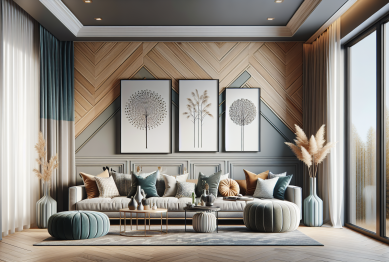
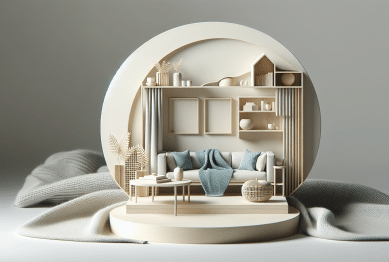
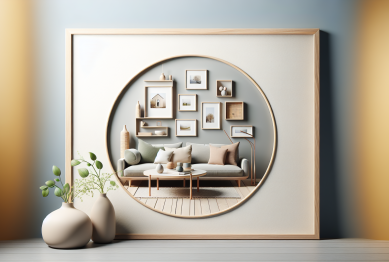
A minimalist interior isn’t simply about white walls or bare spaces. Instead, the focus is on creating harmony and function by featuring only what enhances the experience of home. Carefully chosen furnishings—comfortable seating, calm colors, simple tables—help create an atmosphere of visual rest. Natural light, open layouts, and uncluttered surfaces play a crucial role. Many appreciate the timeless elegance that minimalist design brings. There is less distraction, which means treasured objects and art can be fully appreciated. The absence of overwhelming decor encourages a sense of stability and peace that lasts for years.
Practicality sits at the heart of minimalist interior design. Multi-functional furniture, thoughtful storage solutions, and adaptable spaces are hallmarks of this approach. People who practice minimalist living often find that they use every room and corner of their home more efficiently. Maintaining a minimalist space also minimizes cleaning chores and lowers the temptation for impulsive purchases. Over time, minimalist interiors can lead to lower household costs and less waste. Design experts confirm that these environments are easier to maintain and promote healthier habits for all ages (https://www.houzz.com/magazine/why-minimalism-is-good-for-your-home-and-your-mind-stsetivw-vs~96959427).
Minimalism is highly adaptable. Families might opt for kid-friendly minimalism—choosing a select number of durable toys and baskets instead of crowded playrooms. Singles and couples often focus on maximizing comfort within small spaces, using vertical storage and modular pieces. Plants and natural materials can soften the look while boosting air quality. What never changes is the calming feeling that comes from less visual noise and more deliberate design. Each season, minimalist interiors evolve to reflect current needs and preferences, but the foundation of purposeful living stays the same.
Mindful Consumption and Financial Freedom
One essential element of minimalist living is learning to buy less but buy better. Mindful consumption invites individuals to pause before purchases, considering quality, impact, and need over simple desire. As spending shifts to essentials and meaningful experiences, many find their budgets ease. This doesn’t mean doing without; it means doing with intention. Not chasing trends or accumulating non-essentials frees both wallet and mind. Over time, the savings can be significant, directing more resources toward goals, travel, or supporting causes that align with personal values.
Financial well-being often grows in tandem with minimalist choices. Fewer bills, less impulse spending, and reduced maintenance mean extra security. Those practicing minimalist living commonly use budgeting strategies like tracking only vital categories or setting intentional spending limits. Minimalism also minimizes emotional spending—the habit of purchasing out of boredom or stress. By resisting the pull of constant advertisements and social pressures, individuals regain financial control and are less likely to compare their lives to others. These healthy money habits can have positive effects on mental health, with studies noting the link between financial stress and overall wellbeing (https://www.consumerfinance.gov/about-us/blog/how-minimalism-helps-fight-financial-stress/).
The path to financial freedom becomes clearer as wants are distinguished from needs. Minimalist living brings clarity to spending, but also to earning—many seek alternative income streams, pursue remote work, or invest in themselves instead of possessions. Some communities encourage swapping or lending as alternatives to owning everything, building social ties in the process. The rewards of mindful consumption last longer than one shopping season. For many, a minimalist approach is less about restriction and more about unlocking possibilities for greater freedom, options, and peace of mind.
Cultivating Well-being and Connection Through Simplicity
Well-being is a major benefit often cited by those who choose minimalist living. The process of simplifying life can aid mental health by lowering daily distractions and reducing decision fatigue. An uncluttered home acts like a sanctuary, supporting productivity and restful sleep. A minimalist mindset prioritizes health, family, and creativity over stockpiling or overcommitting. Wellness experts highlight that even small steps, such as a regular decluttering habit or mindful daily routines, can foster a deeper sense of calm and control in chaotic times (https://www.mindful.org/how-to-apply-minimalism-to-your-mind-and-life/).
Connection is another area positively impacted by minimalism. With fewer physical and digital distractions, time can be invested in relationships and community projects. Children benefit from less overwhelmed schedules, couples enjoy more communication, and friends find it easier to meet in homes that offer open, welcoming environments. Minimalism doesn’t mean isolation; many people find their social lives grow richer and more authentic. Group decluttering or volunteering to donate unwanted items can cement friendships. Research continues to show that shared experience and a sense of belonging boost happiness far more than possessions ever could.
Ultimately, minimalist living encourages individuals and families to define true success for themselves. By choosing less, there’s room for deeper well-being, connection, and personal growth. The fulfillment comes not just from owning less, but from experiencing more—more nature, more gratitude, more possibility. Every stage of life offers the opportunity to revisit and refine what matters. Minimalist living, instead of being a strict doctrine, becomes a flexible tool for cultivating balance and contentment in a busy world.
Steps to Start Your Minimalist Journey
Taking the first step toward minimalist living does not have to be daunting. Begin with something specific—a cluttered hallway, a desk drawer, or a digital photo album. The idea is not to achieve perfection overnight but to move gradually toward less stuff and more meaning. Celebrate small victories. Some find it helpful to ask: ‘Does this support the life I want to build?’ Over time, confidence grows, and the desire for extra possessions fades, replaced by an appreciation for quality and intentionality.
Seek out inspiration. There are many real stories shared by those who adopted minimalist living, available in books, blogs, and even local in-person groups. These stories often highlight the same truths: less clutter means more freedom. Minimalism looks different in every household. For some, it’s about paring down wardrobes. For others, it’s reducing social obligations. Sharing journeys with family members or friends makes the shift smoother and enriches the experience. Minimalism becomes more sustainable when it’s seen as a flexible path, rather than a rigid rulebook.
Apply the minimalist mindset not just to belongings but to routines and commitments. Consider automating bill payments, setting scheduled tech-free hours, or planning meals ahead to reduce decision fatigue. Support is available from professional organizers, local workshops, and online support groups for sustainable habit change. As minimalism integrates into daily life, individuals may notice clearer focus, stronger priorities, and a deep sense of gratitude for what truly remains. Explore further tips and strategies from well-respected organizations and lifestyle experts to keep growing on this journey (https://www.marieforleo.com/blog/minimalism/).
References
1. Psychology Today. Minimalism. Retrieved from https://www.psychologytoday.com/us/basics/minimalism
2. Mayo Clinic. Healthy Home, Healthier Life. Retrieved from https://www.mayoclinic.org/healthy-lifestyle/adult-health/in-depth/healthy-home/art-20047742
3. Houzz. Why Minimalism is Good for Your Home and Your Mind. Retrieved from https://www.houzz.com/magazine/why-minimalism-is-good-for-your-home-and-your-mind-stsetivw-vs~96959427
4. Consumer Financial Protection Bureau. How Minimalism Helps Fight Financial Stress. Retrieved from https://www.consumerfinance.gov/about-us/blog/how-minimalism-helps-fight-financial-stress/
5. Mindful. How to Apply Minimalism to Your Mind and Life. Retrieved from https://www.mindful.org/how-to-apply-minimalism-to-your-mind-and-life/
6. Marie Forleo. Minimalism: More Joy, Less Clutter. Retrieved from https://www.marieforleo.com/blog/minimalism/




 Online Degrees That Can Change Your Future Path